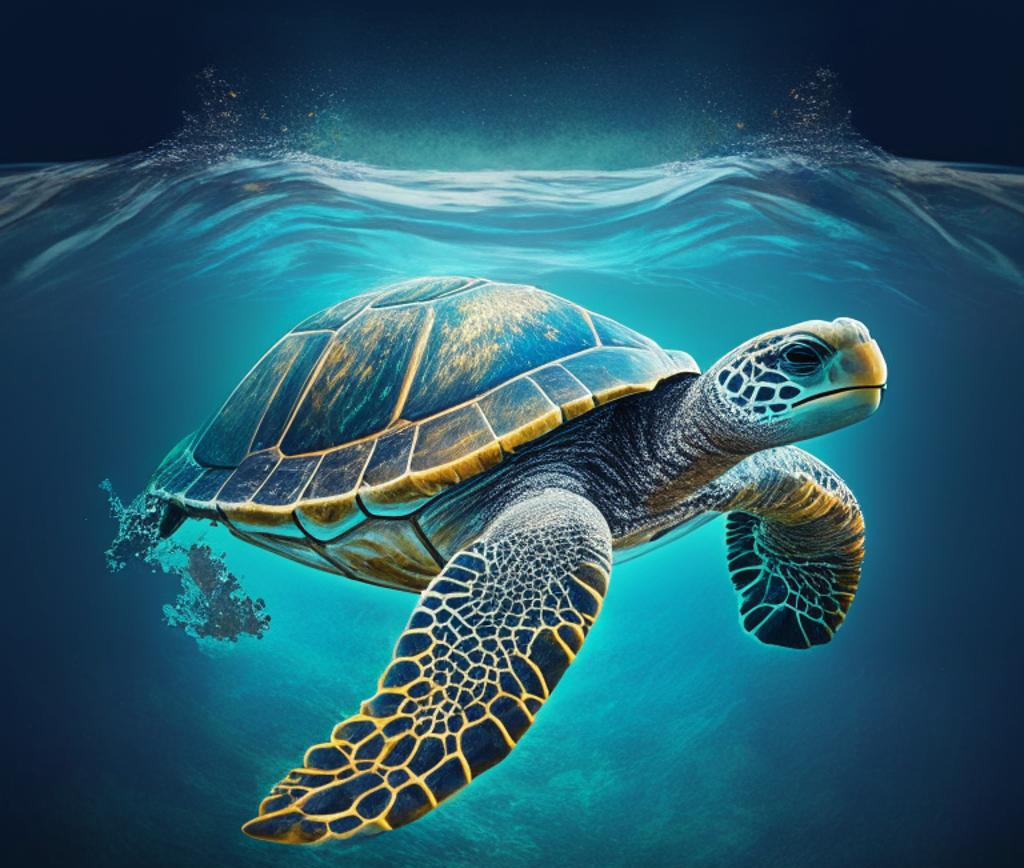
Coastal development, pollution, and accidental entanglement in fishing gear are just a few of the many human-caused dangers to sea turtles in Sri Lanka. The traditional consumption and medicinal value of sea turtles poses a serious risk as well. Climate change is also influencing the sex ratio of hatchlings and the nesting and feeding habits of sea turtles. There is an urgent need for efficient conservation activities to safeguard Sri Lanka's sea turtle populations, which are in peril because of the aforementioned dangers.
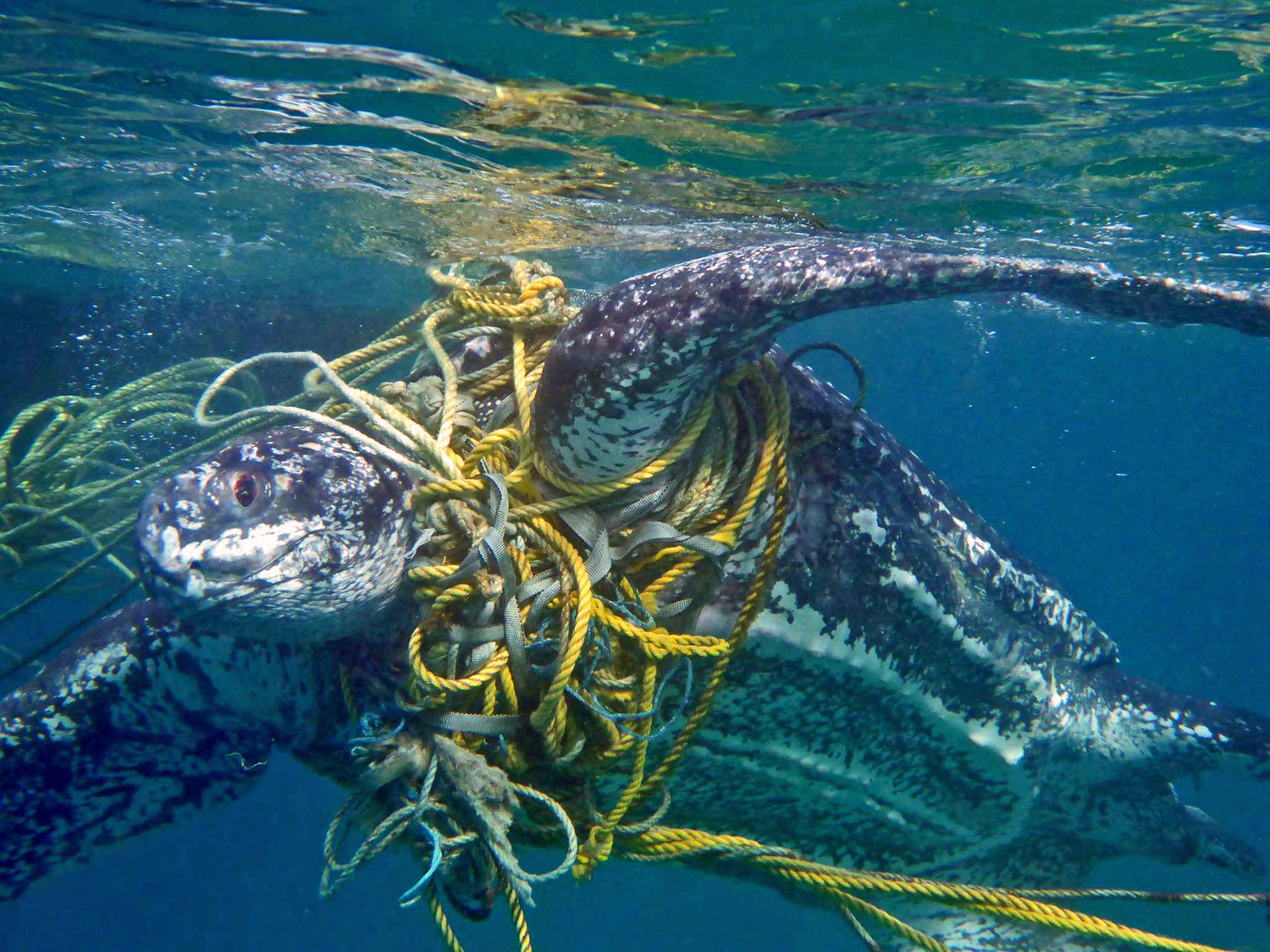
Sri Lankan and global sea turtles face many natural hazards. Before they reach the water, crabs, birds, and other predators eat eggs and hatchlings. Fish and other marine animals prey on sea turtle hatchlings in the water. Sharks and crocodiles threaten sea turtles as they age. Sea turtles endure biological and environmental risks in addition to predation. Temperature determines sea turtle hatchlings' sex, and rising global temperatures could cause uneven sex ratios that imperil populations. Climate change also affects sea turtle feeding, migratory, and nesting beaches. Due to their adaptability and resilience, sea turtles have withstood these natural challenges for millions of years. However, human activities like habitat loss and inadvertent catch with fishing gear are making it harder for sea turtles to live in the modern world.
Nest protection: We can protect sea turtle nests from crabs and birds by putting wire or mesh cages around them. Shade structures: Nesting beaches need shade structures to regulate sand temperature for sea turtle egg development. Beach restoration: Sea turtles can nest on restored beaches. Cleaner seas: Reducing plastic and other waste in the ocean can help sea turtles avoid lethal ingesting. Climate action: Reducing greenhouse gas emissions can reduce sea turtle mortality from rising temperatures. These strategies can help sea turtles survive natural hazards.
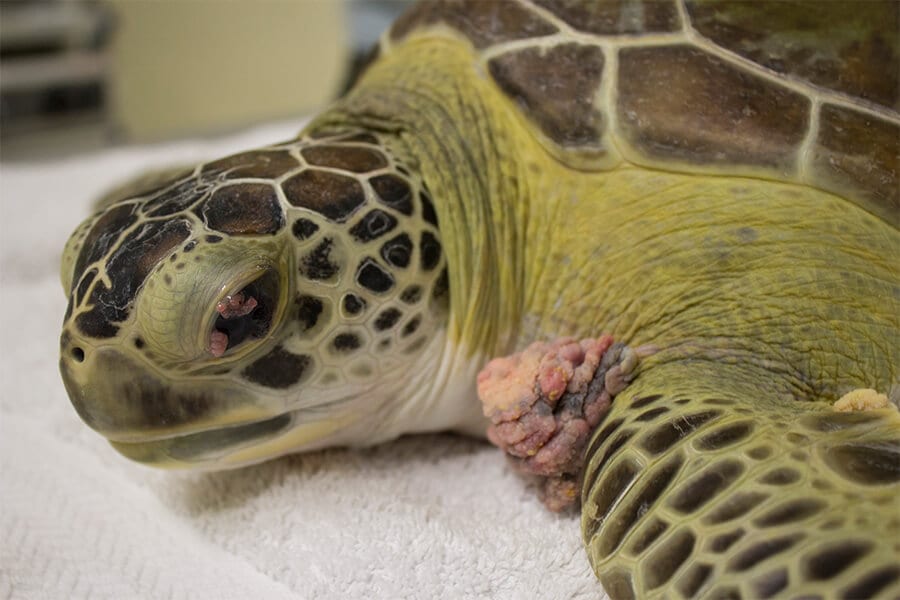
Coastal development in Sri Lanka threatens sea turtles by destroying nesting and foraging areas. Construction, coastal erosion, and beach armoring can ruin nesting beaches. Artificial lighting from coastal development may confuse hatchlings and cause them to head toward the light instead of the sea, leaving them vulnerable to predators and dehydration. Coastal development pollution may also harm sea turtles and their prey, affecting their survival and reproduction. These variables may affect Sri Lankan sea turtle survival and restoration.
Make developers consider sea turtle nesting habitat while planning and building. Plant plants, put up sand fences, or develop beach nourishment initiatives to maintain beaches and dunes. Reduce artificial light on nesting beaches during nesting season to protect sea turtles. Support community-based projects that clean up beaches, educate people about sea turtle nesting, and encourage beachgoers to avoid disrupting nests. To follow coastal development and conservation efforts, monitor sea turtle nesting.
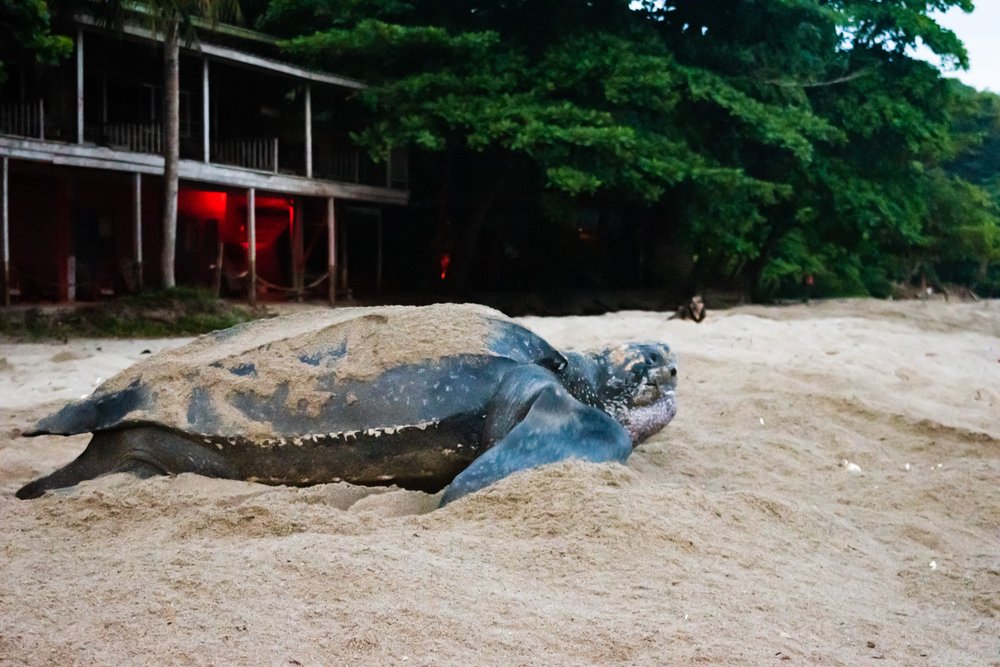
Poaching endangers Sri Lankan and global marine turtles. In some cultures, sea turtle eggs and meat are delicacies, creating an illegal market for turtle products. Hunting sea turtle eggs and flesh illegally endangers the species. This occurrence disrupts the oviposition and incubation cycles, causing sea turtle populations to fall. Poaching kills 10,000 sea turtles in Sri Lanka each year for their meat and eggs. Sri Lanka reduces poaching through increased surveillance and harsher punishments. However, more action is needed to address this serious issue. The Mighty Roar and other conservation efforts are raising awareness of sea turtles and their ecosystems.
Increase patrols and enforcement to deter sea turtle poaching and egg trafficking. Inform locals about sea turtle conservation and hunting. Reduce marine turtle bycatch with sustainable fishing. Increase funds and support for sea turtle conservation organizations.
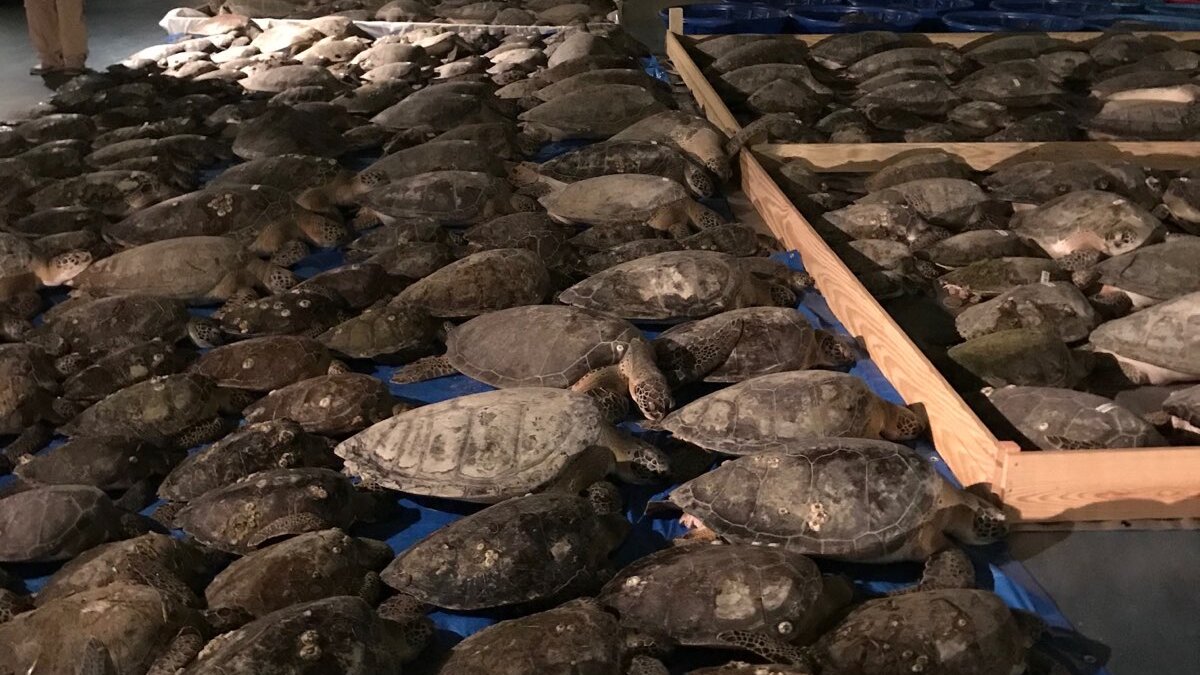
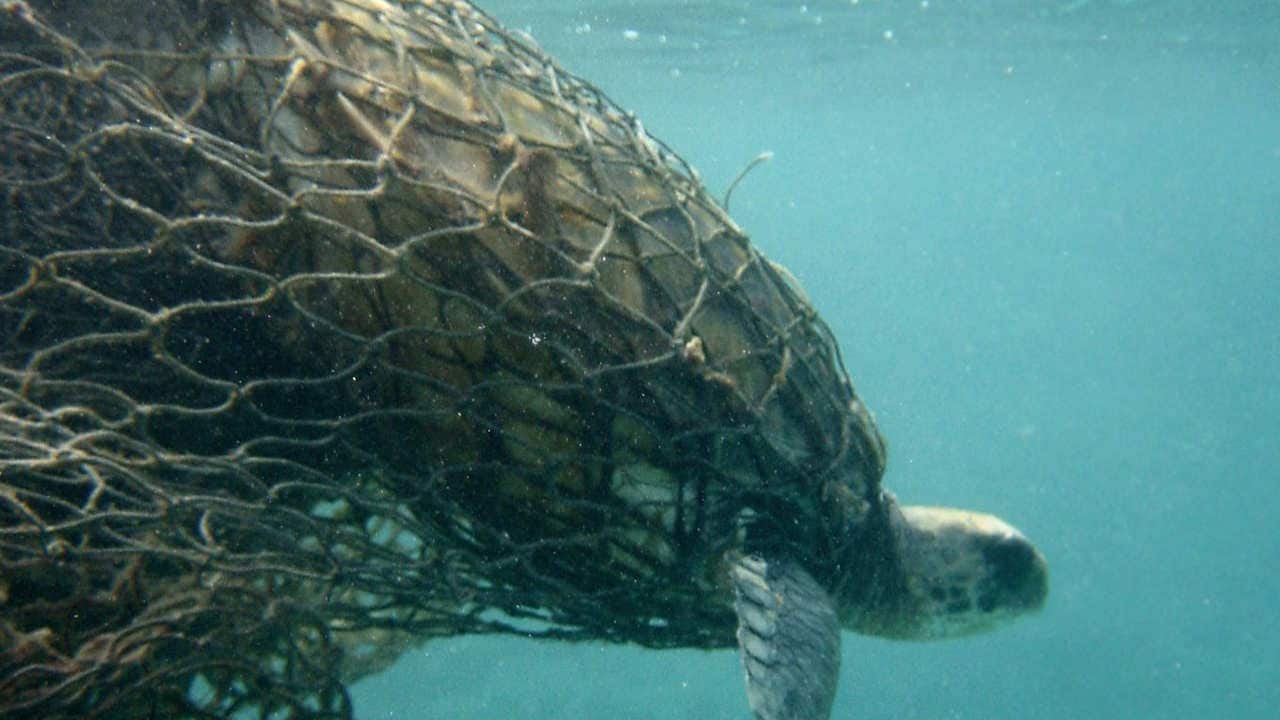
Multiple sources claim that accidental capture in fishing equipment is a threat to Sri Lankan sea turtles. Commercial and artisanal fishing with gillnets & trawling nets can entangle turtles and prevent them from breathing. Drowning and death can result. Olive ridley turtles often swim near shore and confront fishing nets during their yearly mass breeding episodes. Beach debris like fishing nets and garbage can also entangle marine turtles. Turtle excluder devices (TEDs) in fishing gear allow turtles to escape while retaining the target catch, and protected areas where fishing is prohibited can prevent accidental capture. Public awareness initiatives about discarded fishing gear and proper fishing can also reduce this issue.
TEDs allow turtles to escape fishing nets while retaining the catch. Fishermen can prevent sea turtle and other marine creature captures with TEDs. Sustainable fishing: Sea turtles can be avoided by promoting sustainable fishing practices that decrease bycatch. Longlines can catch more selective species. Fishing and public education: Educating fishermen and the public about sea turtles and the dangers of bycatch can help reduce bycatch. Implement and enforce fishing regulations: TEDs and other bycatch reduction methods can prevent sea turtle capture. Support sea turtle conservation. Habitat restoration and beach protection can help sea turtles nest and avoid fishing zones.
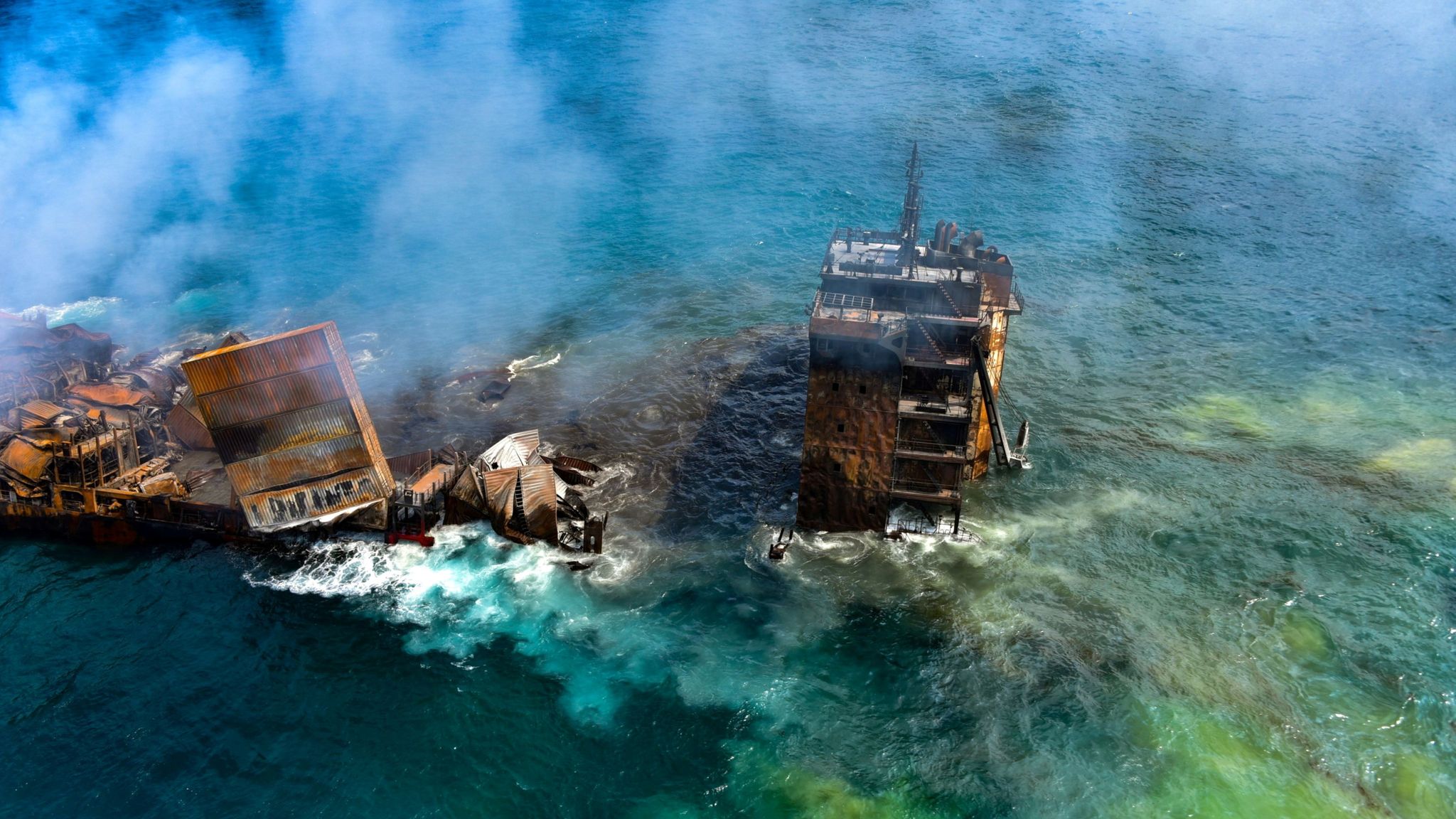
Sri Lankan sea turtles face worldwide marine pollution. A ship carrying acid sank off Sri Lanka in May 2021, causing a huge rise in turtle fatalities. Plastics, oil spills, and toxic waste can entangle and suffocate marine turtles. Turtles may eat toxic compounds due to marine pollution. Sri Lankan sea turtle conservation efforts face pollution. Sri Lanka's TCP promotes trash management education and beach cleanups to reduce marine pollution. TCP and the government enforce plastic and unlawful fishing laws. To protect sea turtles, we must reduce marine pollution globally. Reducing plastic use, ensuring appropriate trash disposal, and supporting marine pollution organizations help save sea turtles and their ecosystems.
Plastic garbage is a major marine pollutant. Reduce your use of single-use plastics like straws and shopping bags to aid marine turtles. Proper trash and recycling disposal can also reduce marine pollution. Sea turtles may swallow or become entangled in beach and ocean litter. Responsible shipping: Responsible shipping practices are needed to prevent marine contamination after a ship carrying chemicals and trash sank off Sri Lanka. Shipping businesses and governments can collaborate on environmental rules and best practices. Support conservation efforts: organizations like the Sri Lanka Turtle Conservation Project protect sea turtles from marine pollution. Donating or volunteering can help.
The health of the oceans depends on sea turtle survival. By eating sea grass and jellyfish, they balance the marine ecosystem and regulate other marine organisms. Sea turtles can also signify pollution and habitat loss in the oceans. The extremely endangered Hawksbill and Olive Ridley turtles live in Sri Lanka, making their protection important. Sri Lanka relies on its beaches and marine life for tourism. Sea turtles draw international tourists, boosting the local economy. Eco-tourism and sea turtle protection in Sri Lanka support local economies.