Turtle Population in Sri Lanka
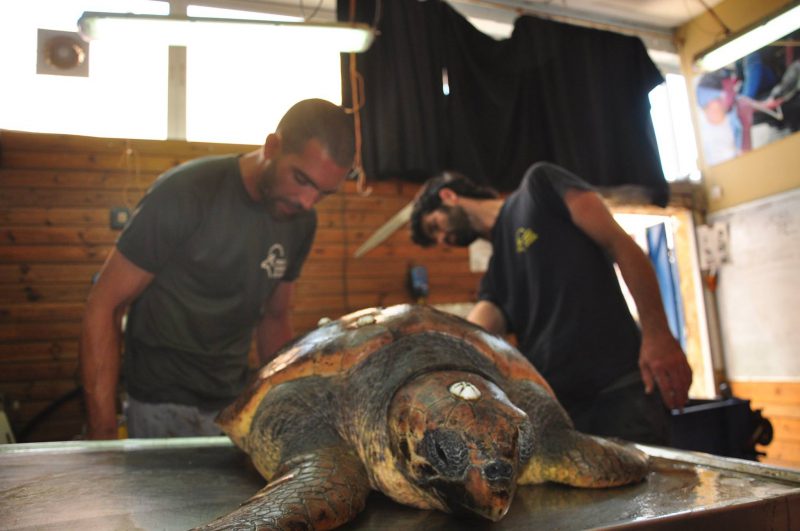
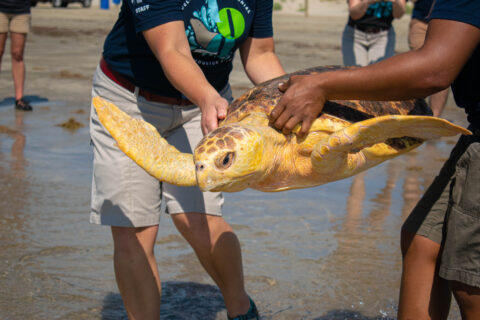
Sri Lanka is home to five of the world's seven sea turtle species, including the Green turtle, Olive Ridley turtle, Leatherback turtle, Hawksbill turtle, and Loggerhead turtle. Female turtles go from all over the world to nest on the beaches of Sri Lanka. However, the population of sea turtles in Sri Lanka has been dropping due to a variety of factors such as habitat damage, poaching, pollution, and climate change. The government of Sri Lanka has taken a number of steps in order to safeguard the sea turtle population. These steps include the establishment of marine protected areas, the regulation of fishing activities, and the implementation of conservation initiatives that are intended to promote awareness among the local communities.
Sea Turtle Facts
-
There are seven species of marine turtle
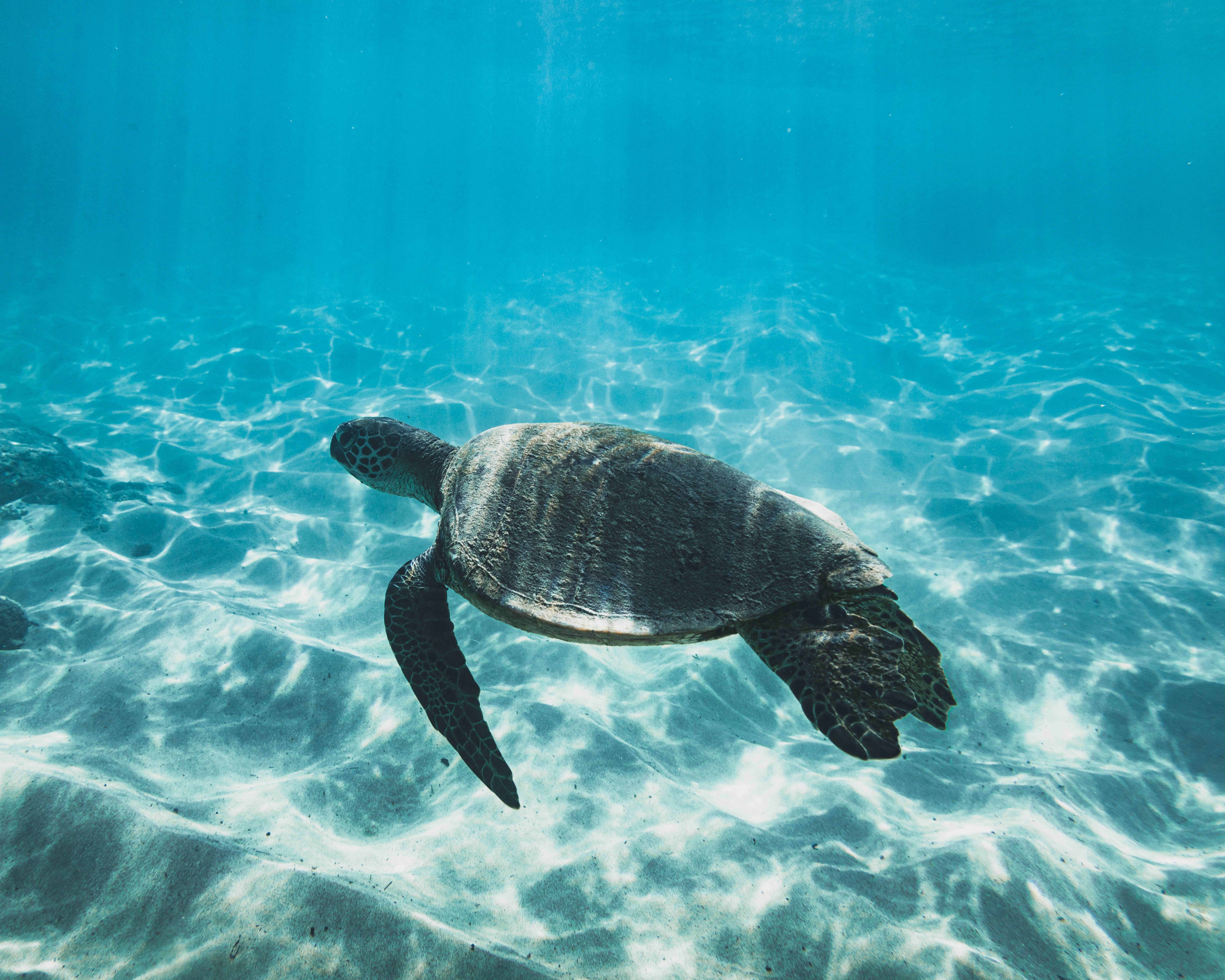
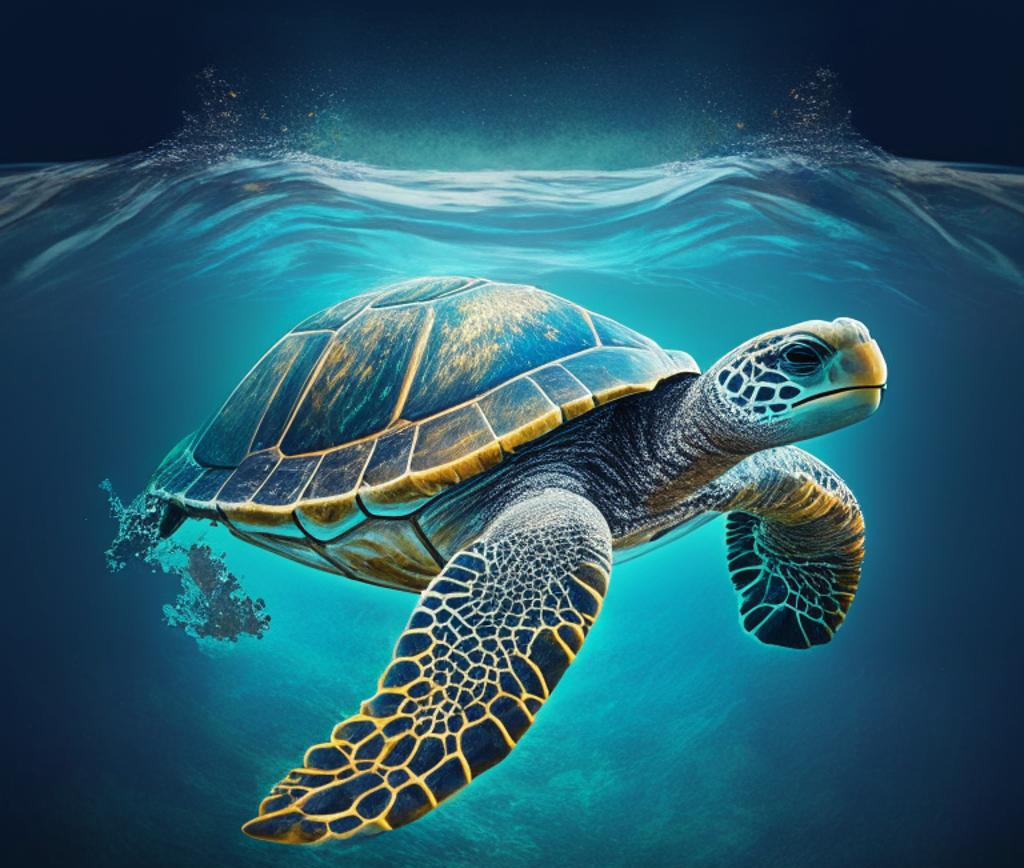
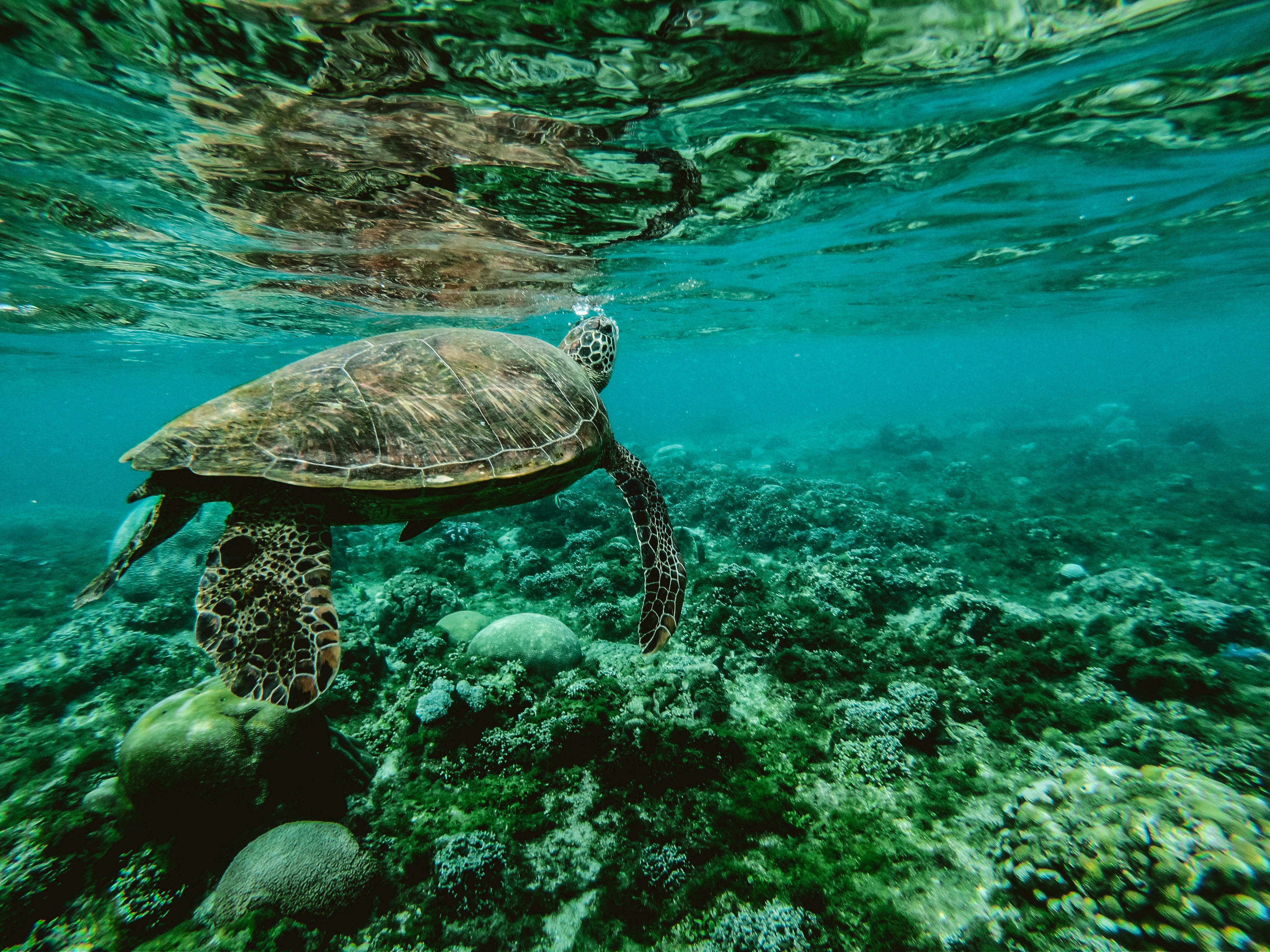
More than 100 million years ago, marine turtles coexisted with dinosaurs. Hawksbill, Loggerhead, Leatherback, Olive Ridley, Green, Flatback, and Kemp's ridley are the seven sea turtle species now recognized by science. There are just enough data on the flatback to guess at its risk status, but six of them are already in danger of going extinct.
-
Turtles don’t have teeth to eat
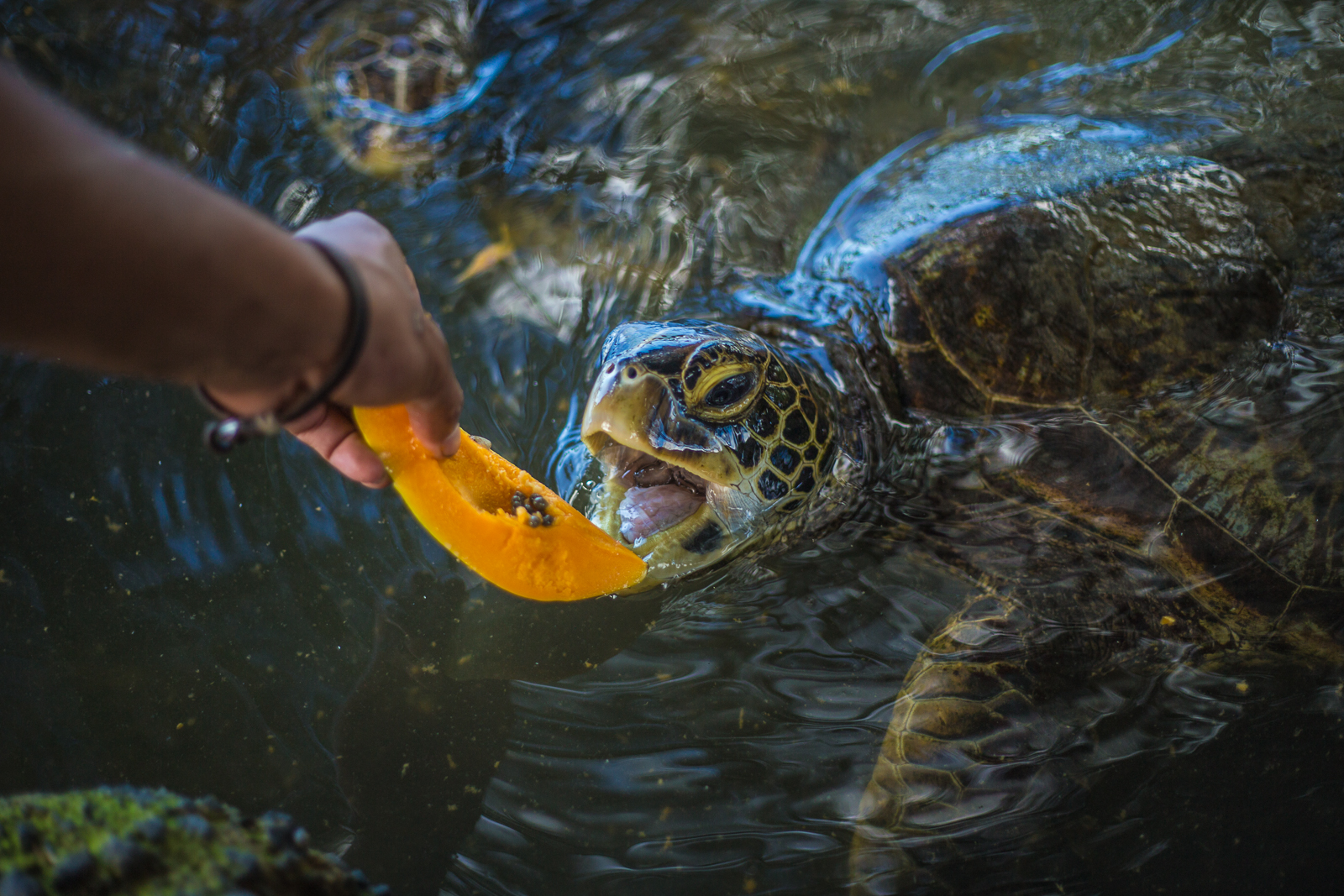
Their beak-like mouth is used for grabbing food. Keratin composes this beak (the same stuff your fingernails are made of).
-
They are very tough than they look

More than fifty bones are fused together to form a turtle's shell, making the shell a kind of exoskeleton. They are able to float thanks to the lightness and sponginess of their bones.
-
Their young lives are an unsolved mystery

A marine turtle's first few years are considered "lost years" since they are not productive. That's because it's hard to track the young fish from the moment they hatch until they return to the shallow coastal waters to feed. The majority of the time they spend at sea, which can last up to twenty years, is unknown.
Life Stages of Sea Turtle

The Eggs
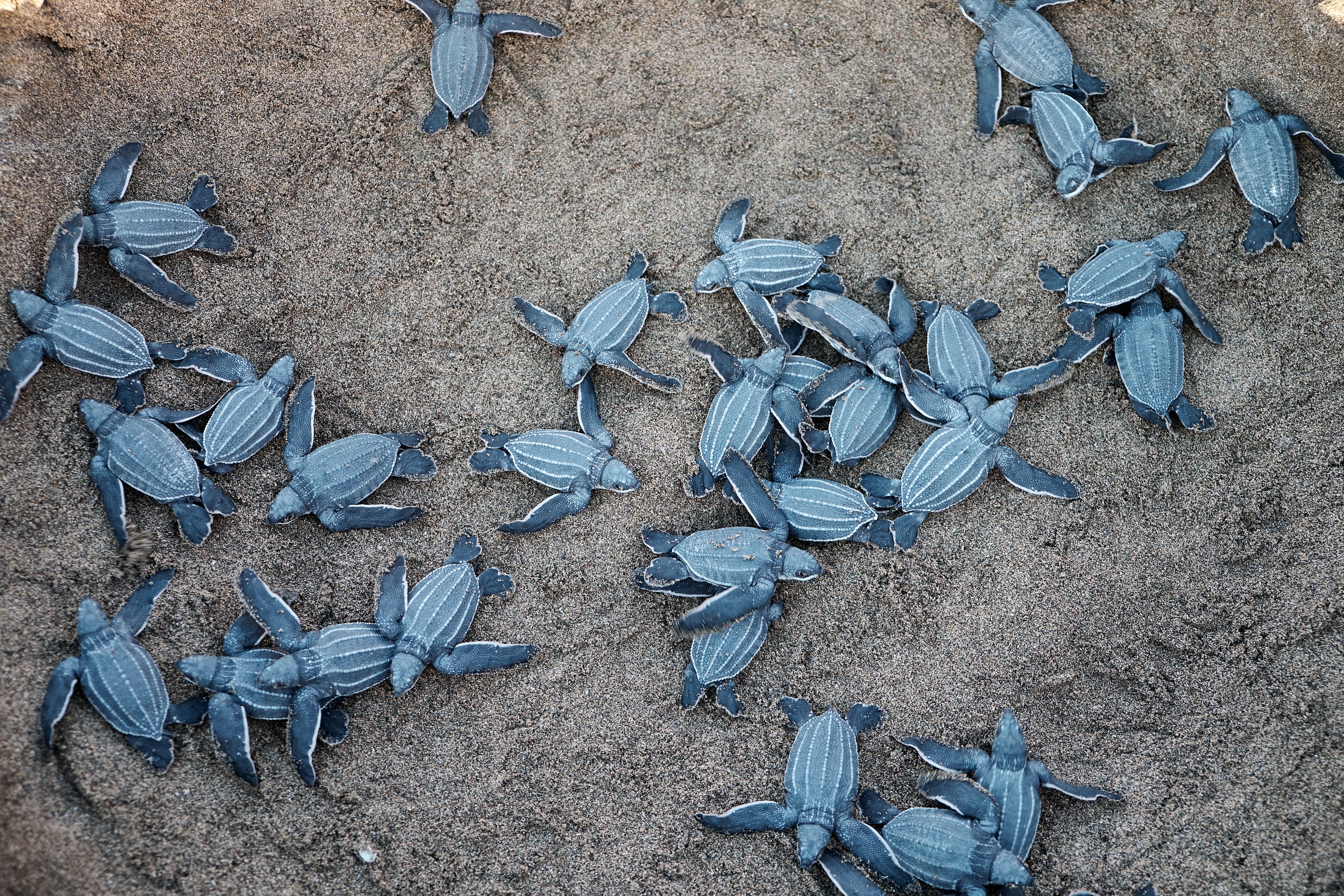
Pregnant mothers crawl on the beach, dig a pit, and lay their eggs every 2–4 years. They lay 100–200 eggs per nest between dust and dawn. They will build several nests this season. After 6–12 weeks, baby turtles emerge from the sand and flap their flippers. Sea turtle eggs incubate in sand for 45–50 days, depending on species. The nest's temperature determines the hatchlings' gender. This is nice, but 99% of these turtles die before adulthood. Most will die on this difficult journey.
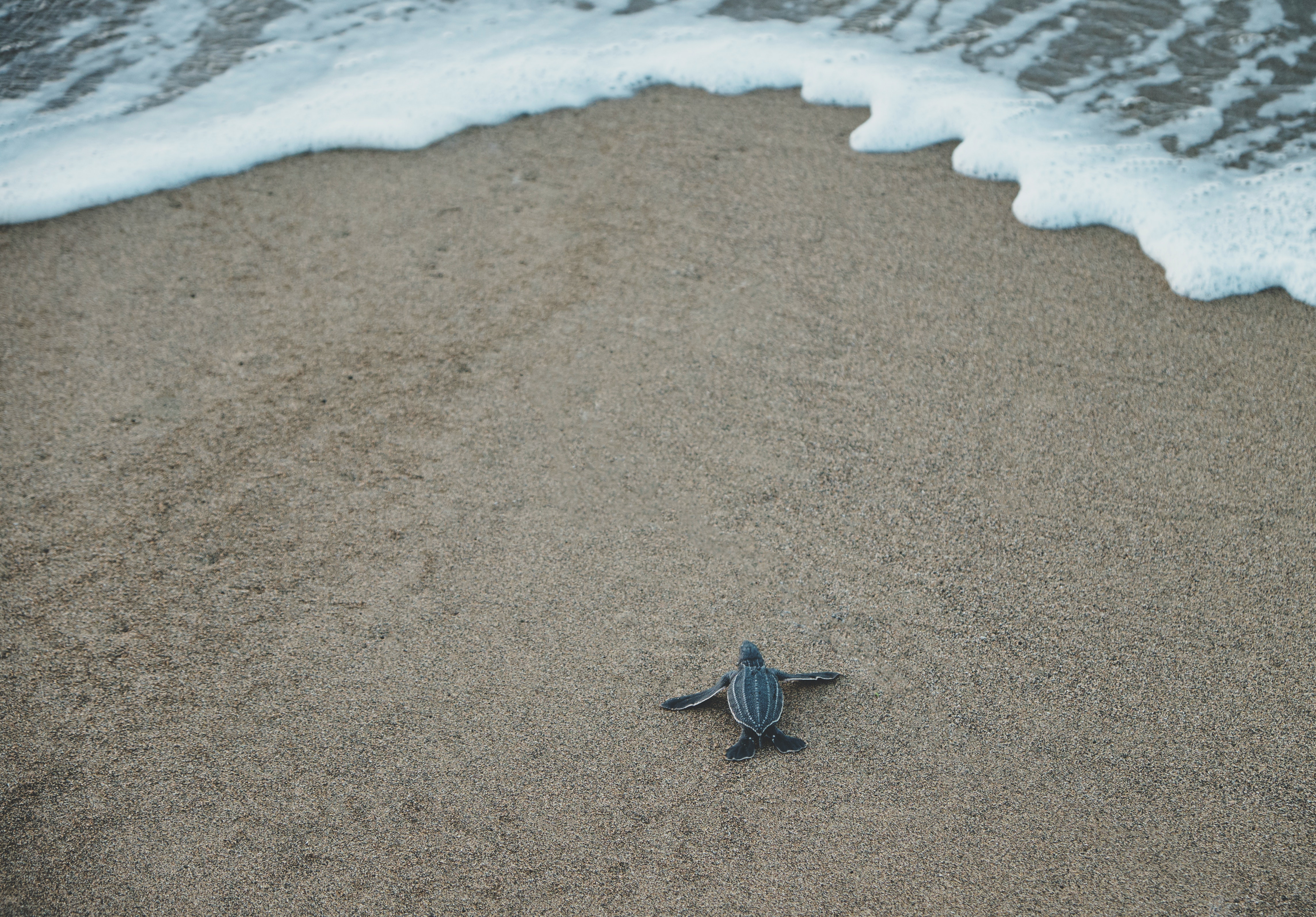
Hatchling
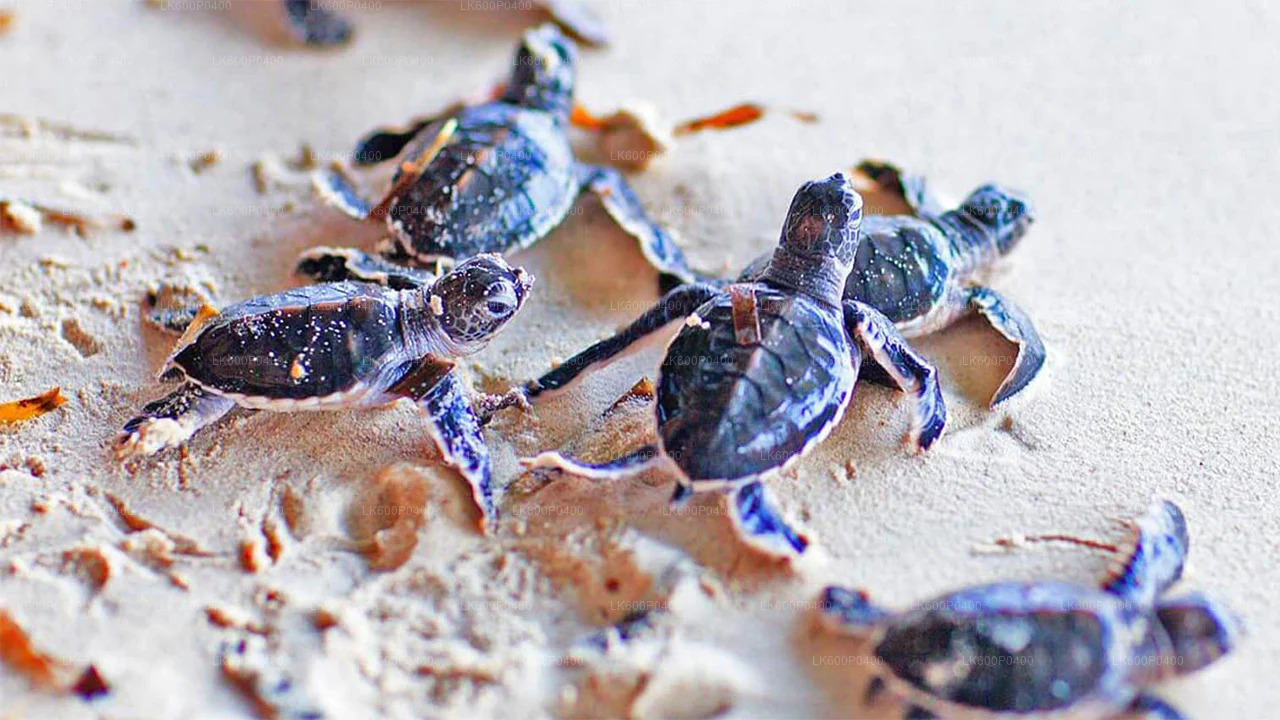
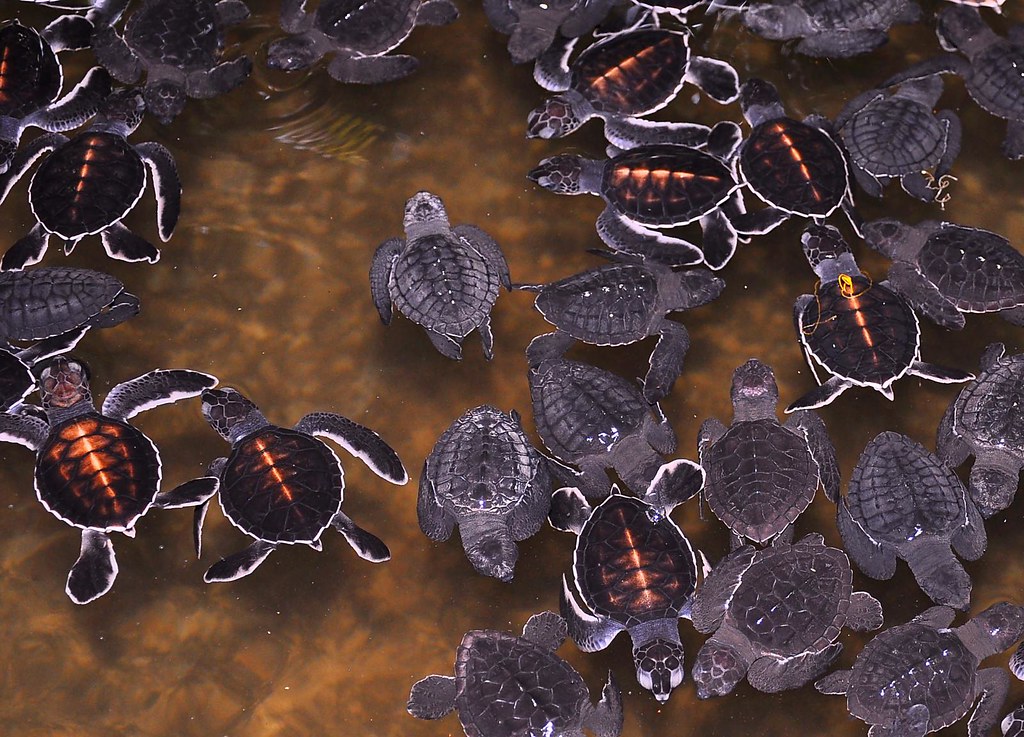
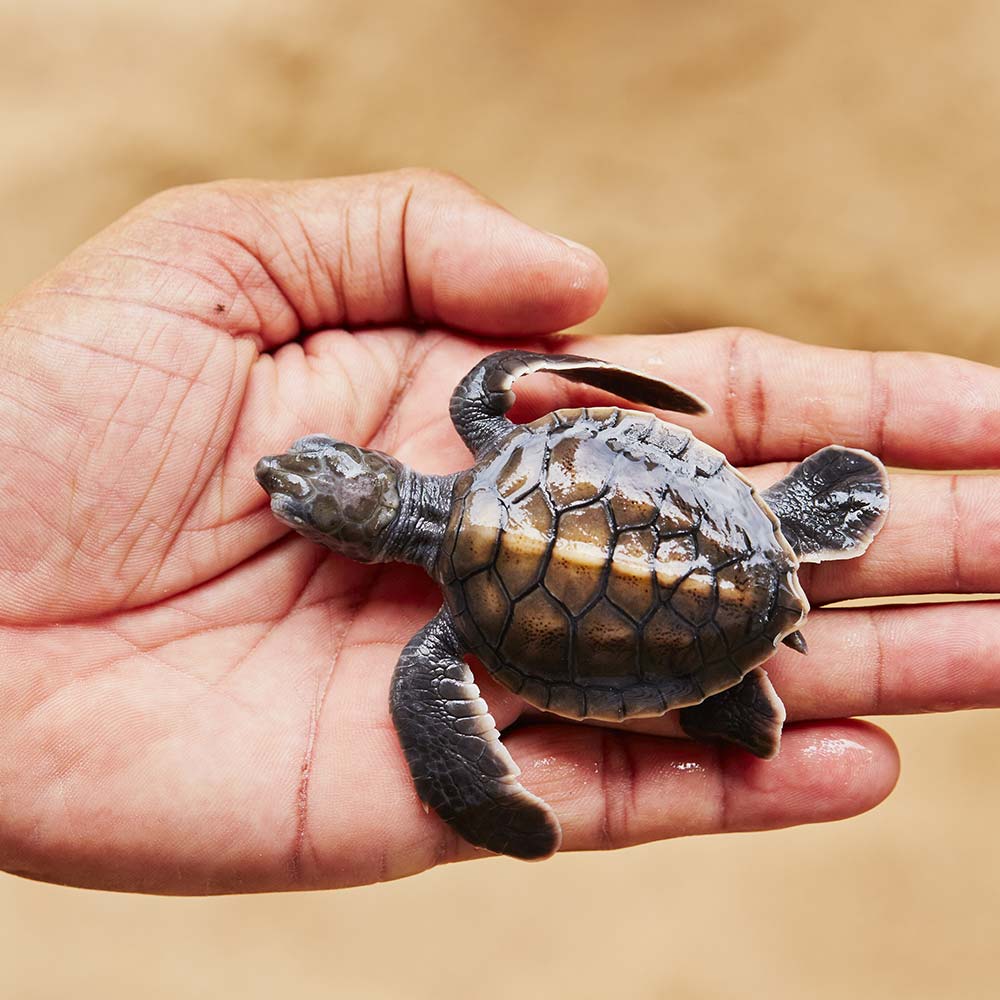
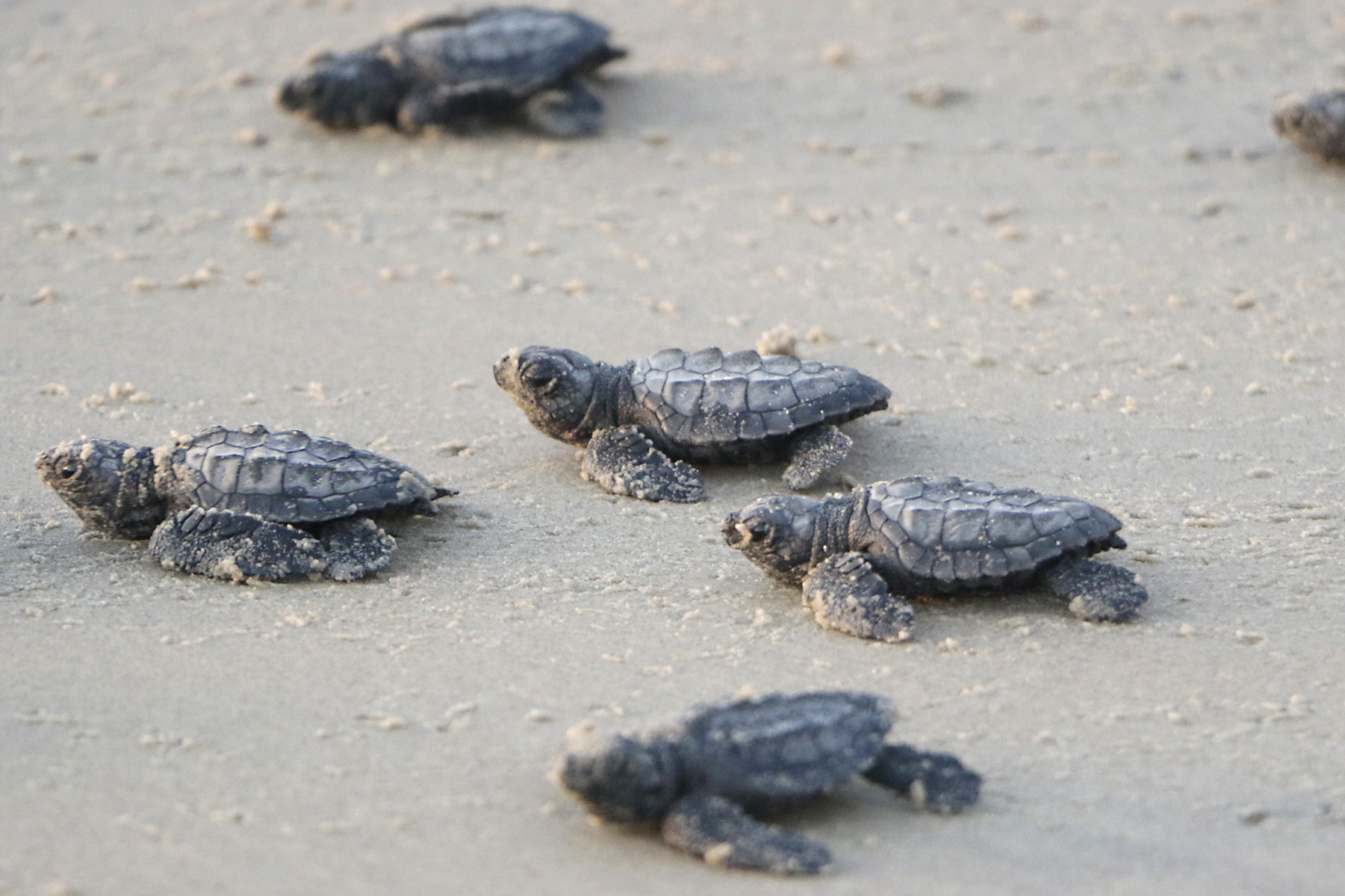
Turtles tire. Hatchlings cross oceans. Baby turtles weigh at night when predators are less likely and the sand is cool enough to crawl on, which requires frequent breaks. Sand reflects the ocean's moon. It's auto. Hatchlings seek the ocean. Predators avoid hatchlings that don't confuse artificial lights. Oceans are dangerous for hatchlings. Water bonds hatchlings. 24/7 swimming. Imagine a palm-sized creature being dropped into the ocean 10 minutes after birth and having to swim nonstop or die. Hatchling-eaters exist.
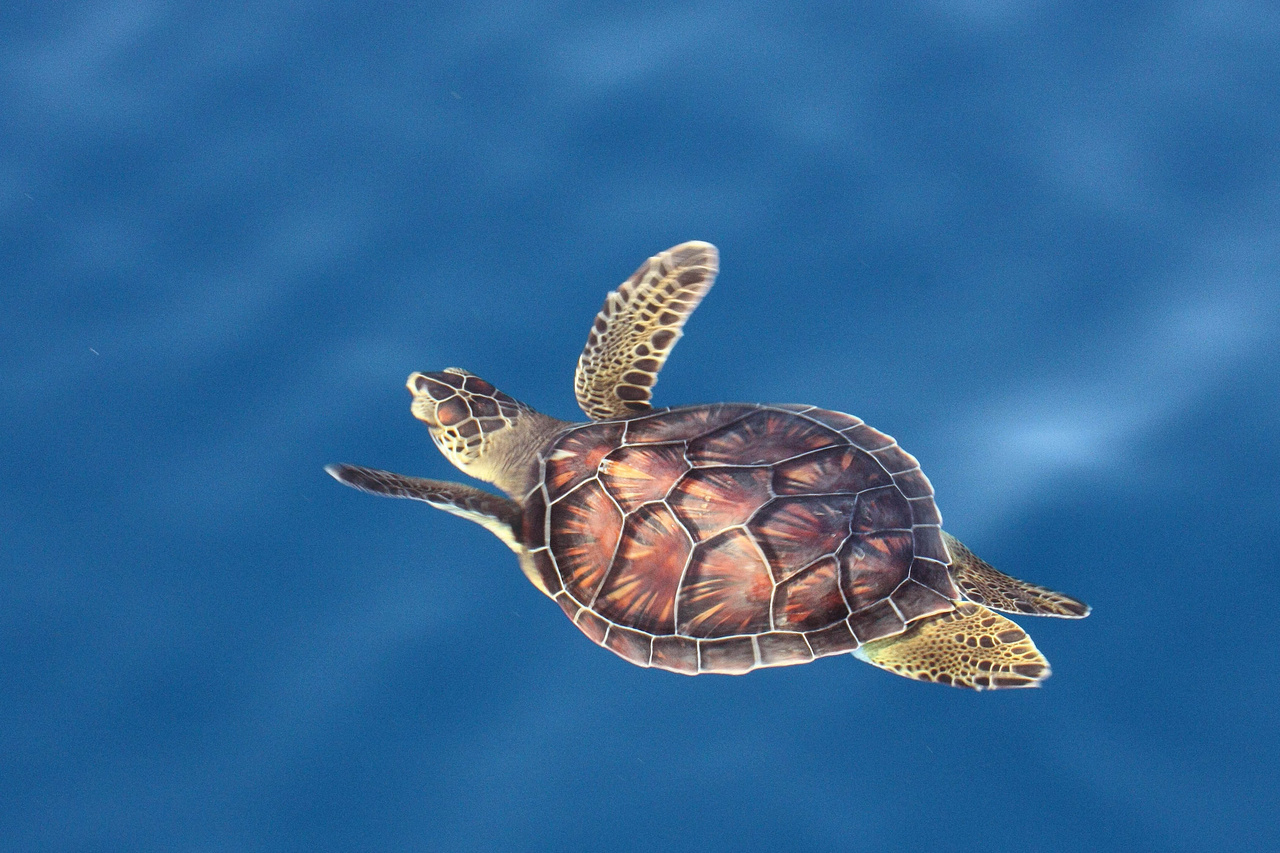
Small Juvenile State
It's unresearched. Like putting a tracking device on a baby sea turtle that never ran out of battery or fell off. This may affect the turtle's bouncy or swimming. Lost years. Technology is revealing itself. Turtles use currents. The initial theory was passively following currents. Sea turtles swim. Sea turtles navigate using Earth's magnetic field, according to research. Sea turtles can sense magnets. Turtles need this sense later.
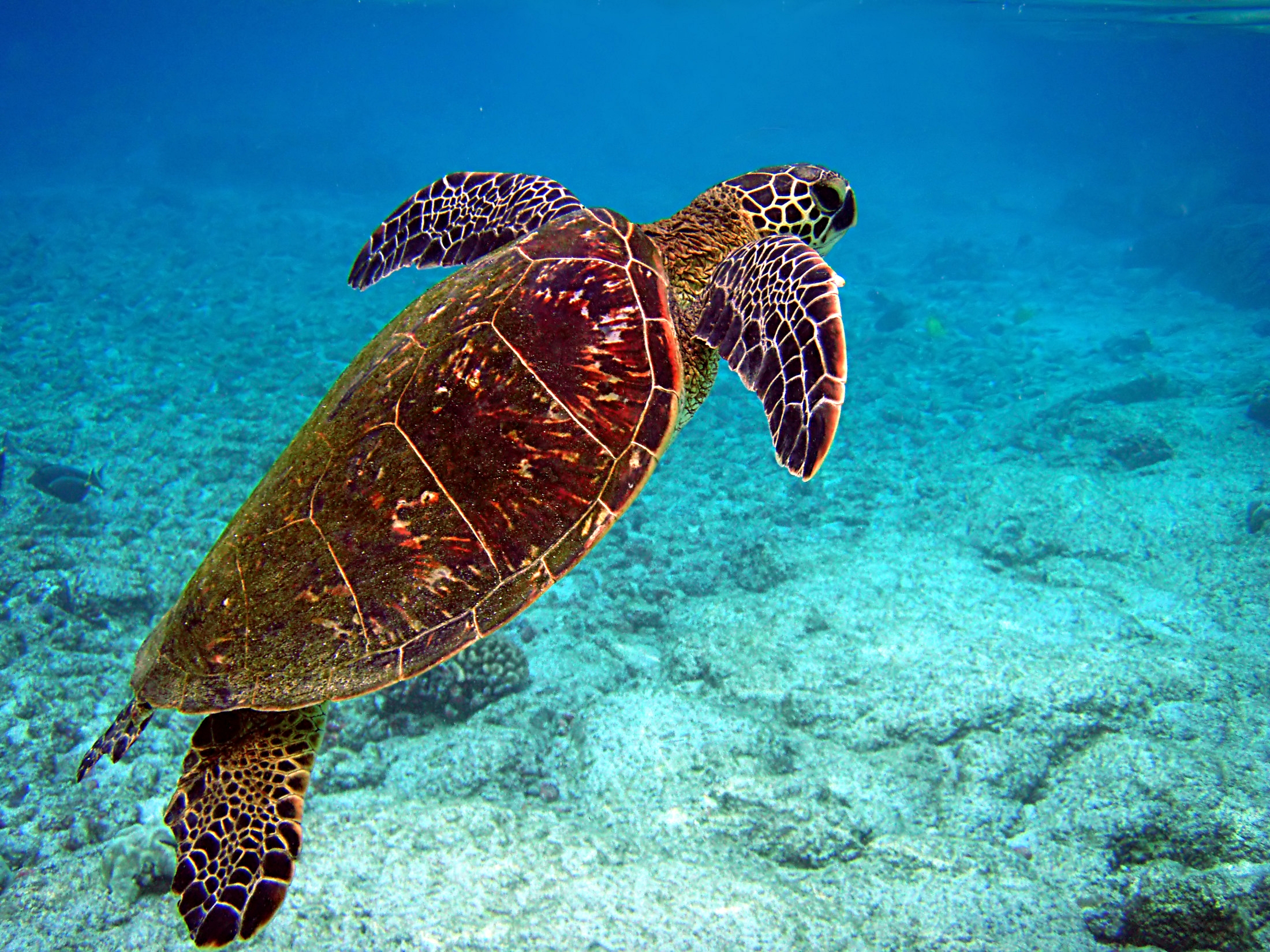
Large Juvenile State and Sub Adult State
Turtles go to coastal feeding grounds at this stage. They may feed themselves 10,000 kilometers from their home beach. Turtles mature in 10–20 years, depending on species. Approximately 10% of hatchling turtles mature. Large juvenile adults become sub-adults in feeding grounds. The sea current will help turtles reach their feeding grounds. When their yolks run out, the turtles must find their own food. Sea turtles stay in their feeding habitat until they mature. Age and species determine sea turtle diets.
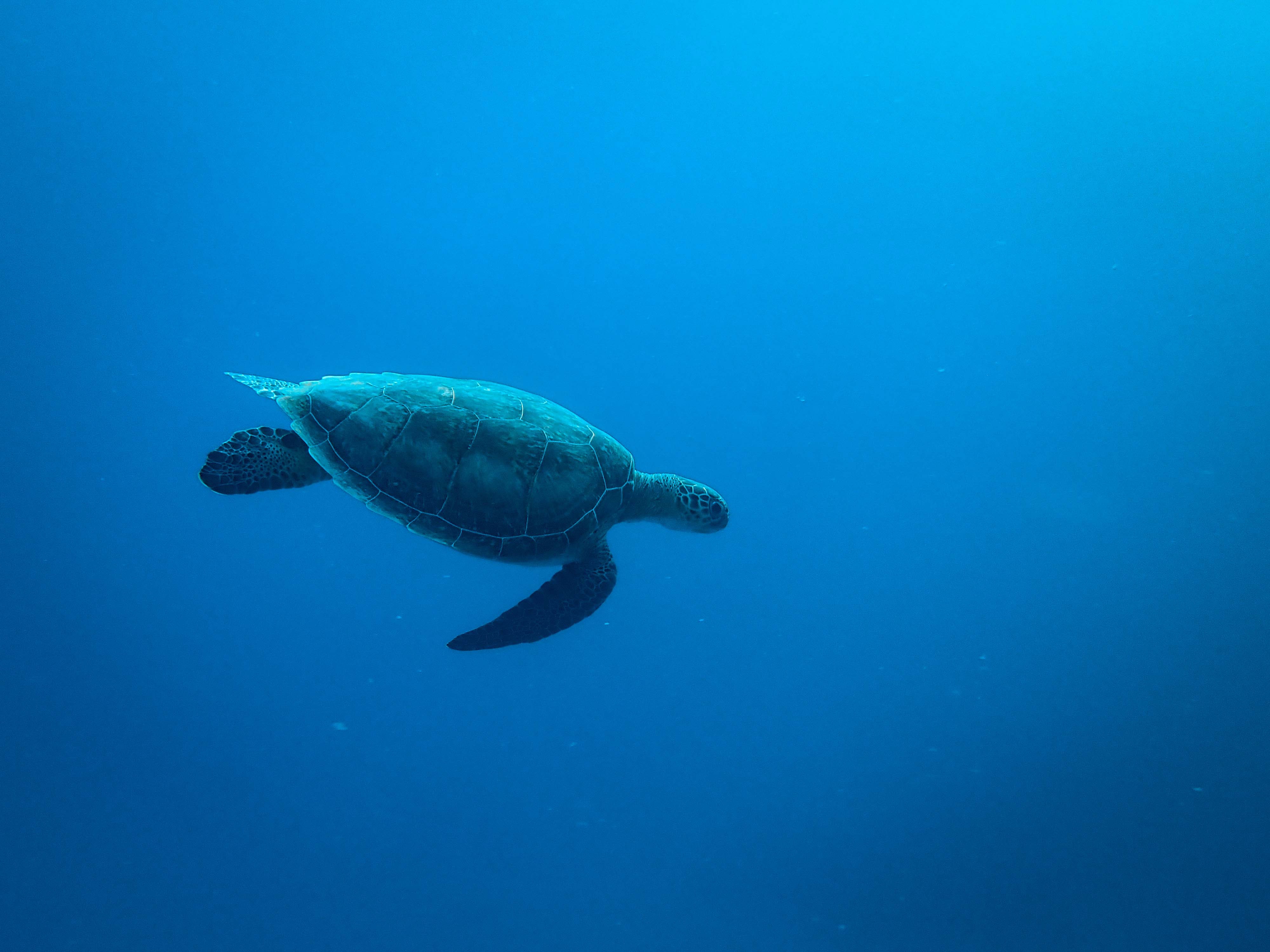
Mature Adult State
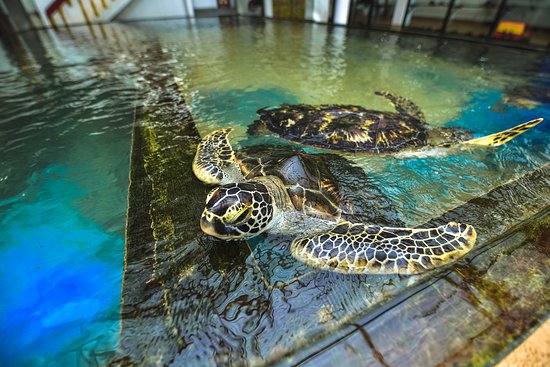
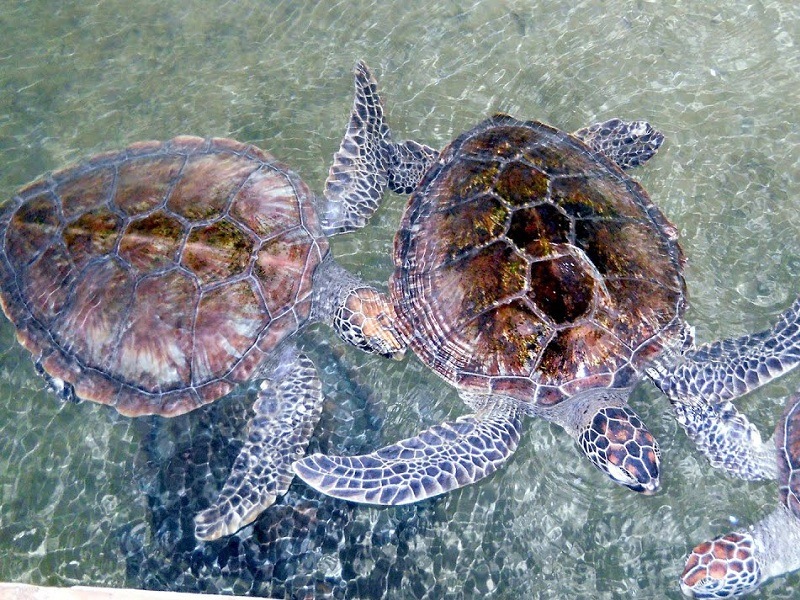
Adult and juvenile sea turtles eat seaweed, seagrass, and algae. They eat jellyfish, shrimp, sea sponges, snails, mollusks, and crabs. Feeding and breeding habitats are usually far apart. Turtle population determines distance. Sea turtles live 30-40 years. Thus, sea turtles return to their home after 30 years.
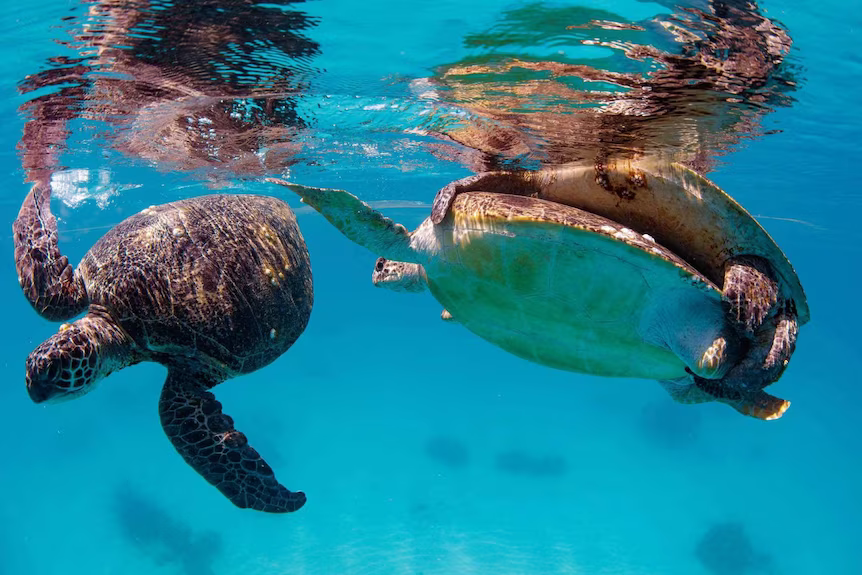
Mating Season
Subadult turtles breed in 1000-km migrations, where females store sperm and males meet as many females as possible to pass on their DNA. Eggs hatch, and males feed while females go to the beach. Mothers nest on birth beaches, and magnets return hatchlings. Reproducing 10,000 kilometers is risky and tiring, but successful mothers teach and DNA guards.
Image Gallery