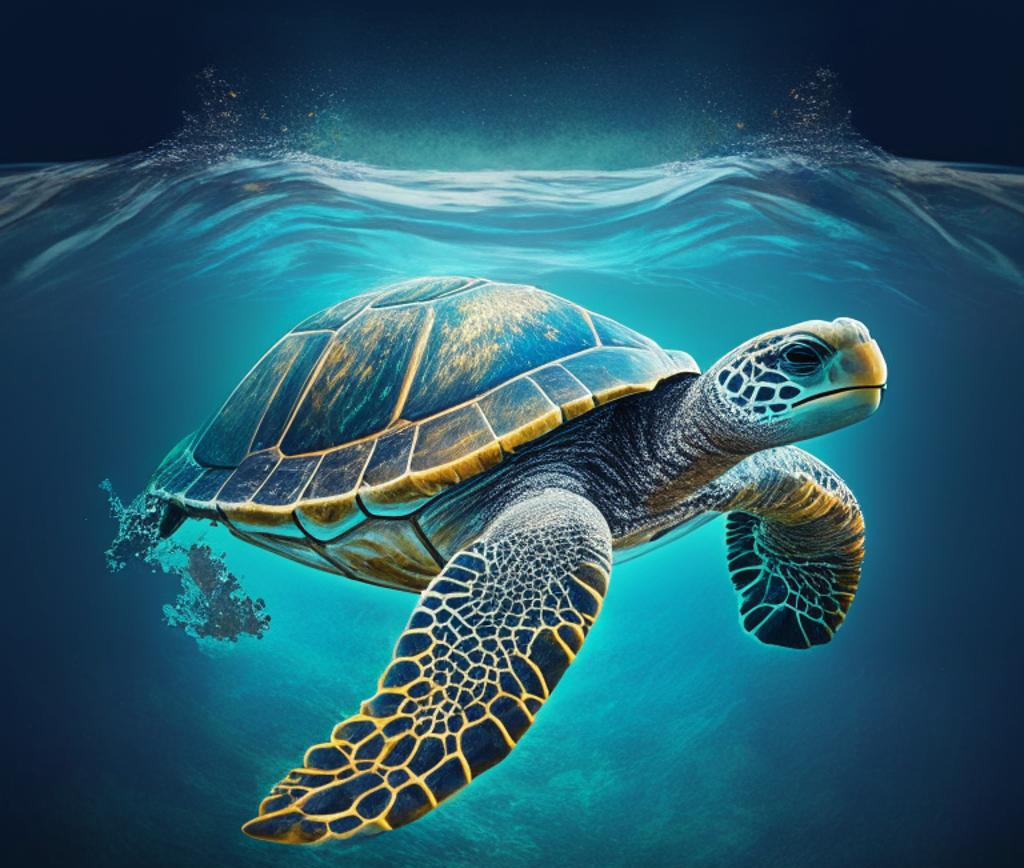
With a long, tear-shaped shell covering its body and sizable flippers, the green turtle is a sizable sea turtle that lives in Sri Lanka. The green turtle, also known as Chelonia mydas, is one of the largest known species of sea turtle and is found in Sri Lanka. It has an elongated body covered by a tear-shaped shell and a pair of large flippers that look like paddles. Green turtles are known for their long lifespans, but they face threats such as habitat destruction, pollution, and poaching. Conservation efforts are needed to ensure their survival for future generations.
Find this turtle on Google Maps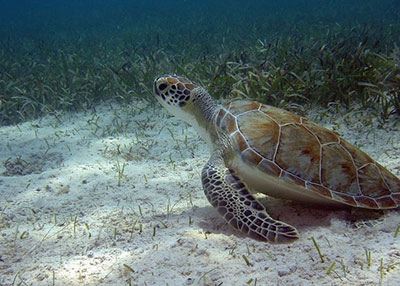
Sri Lanka is home to the endangered Hawksbill Turtle. The tiny Hawksbill turtle has a hawk-like beak and dark golden brown colouring. The Hawksbill turtle's "tortoise shell" is attractive and utilized commercially. Illegal tortoiseshell trade has wiped out hawksbill turtles. Eating turtle meat and eggs and being caught in fishing gear have also hurt it. Hatcheries and protected areas sustain hawksbill turtles. Education conserves Hawksbill turtles their habitats. These efforts aim to rebuild the Hawksbill turtle population in Sri Lanka's rivers, where it lives.
Find this turtle on Google Maps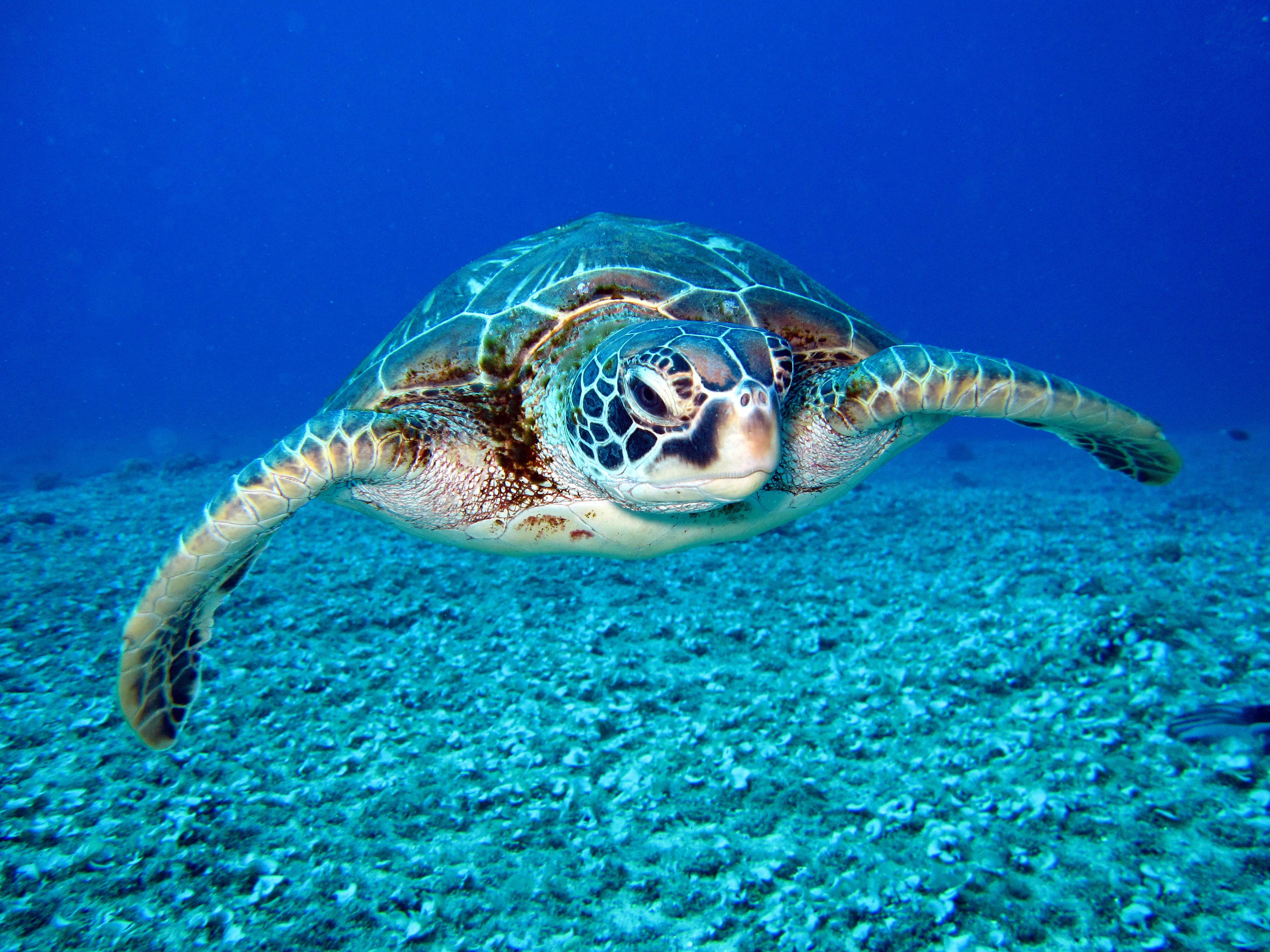
The Loggerhead Sea turtle is a beautiful animal found in Sri Lanka. It has a huge head and slightly heart-shaped top shell, and can live up to 50 years. They eat crustaceans and can swim hundreds of kilometres. Pollution, habitat degradation, and meat, egg, and shell poaching threaten the Loggerhead Sea turtle, but turtle-friendly fishing and protected zones protect them. Humans endanger the Loggerhead Sea turtle, but responsible folks can safeguard the future. Saving the Loggerhead Sea turtle and other marine animals requires cooperation.
Find this turtle on Google Maps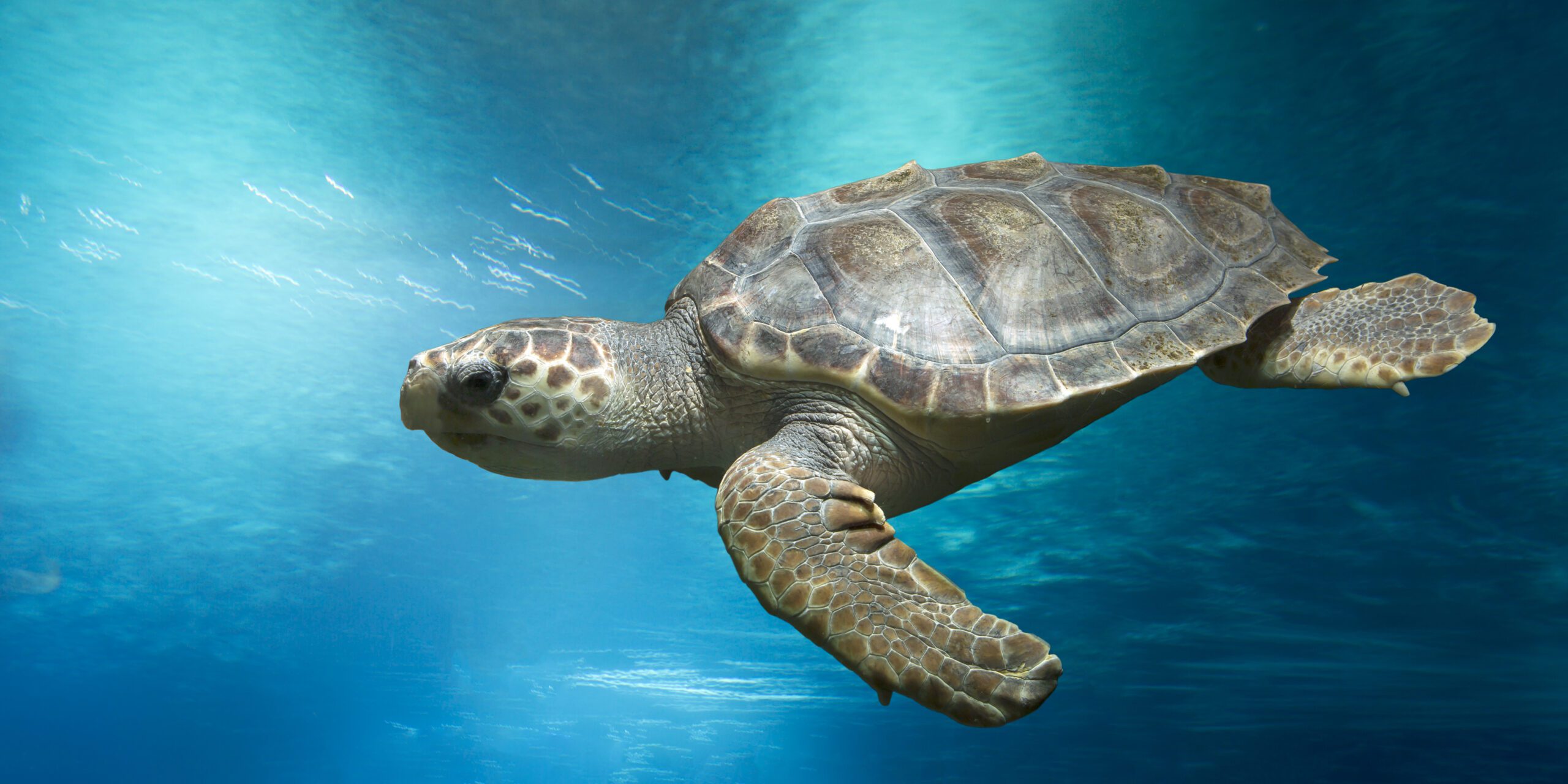
The Olive Ridley turtle is an important and fascinating species found in the warm waters of the Indian Ocean, including the beaches of Sri Lanka. It is endangered due to its dependence on a small number of beaches, making conservation of their nesting habitats essential. They are omnivores, eating crustaceans, fish, and marine vegetation, and have an average lifespan of 50 years. Conservation efforts are being made to protect the turtle population, including the establishment of protected areas and turtle-friendly fishing practices. It is our responsibility to protect and conserve this species and its nesting habitats for future generations.
Find this turtle on Google Maps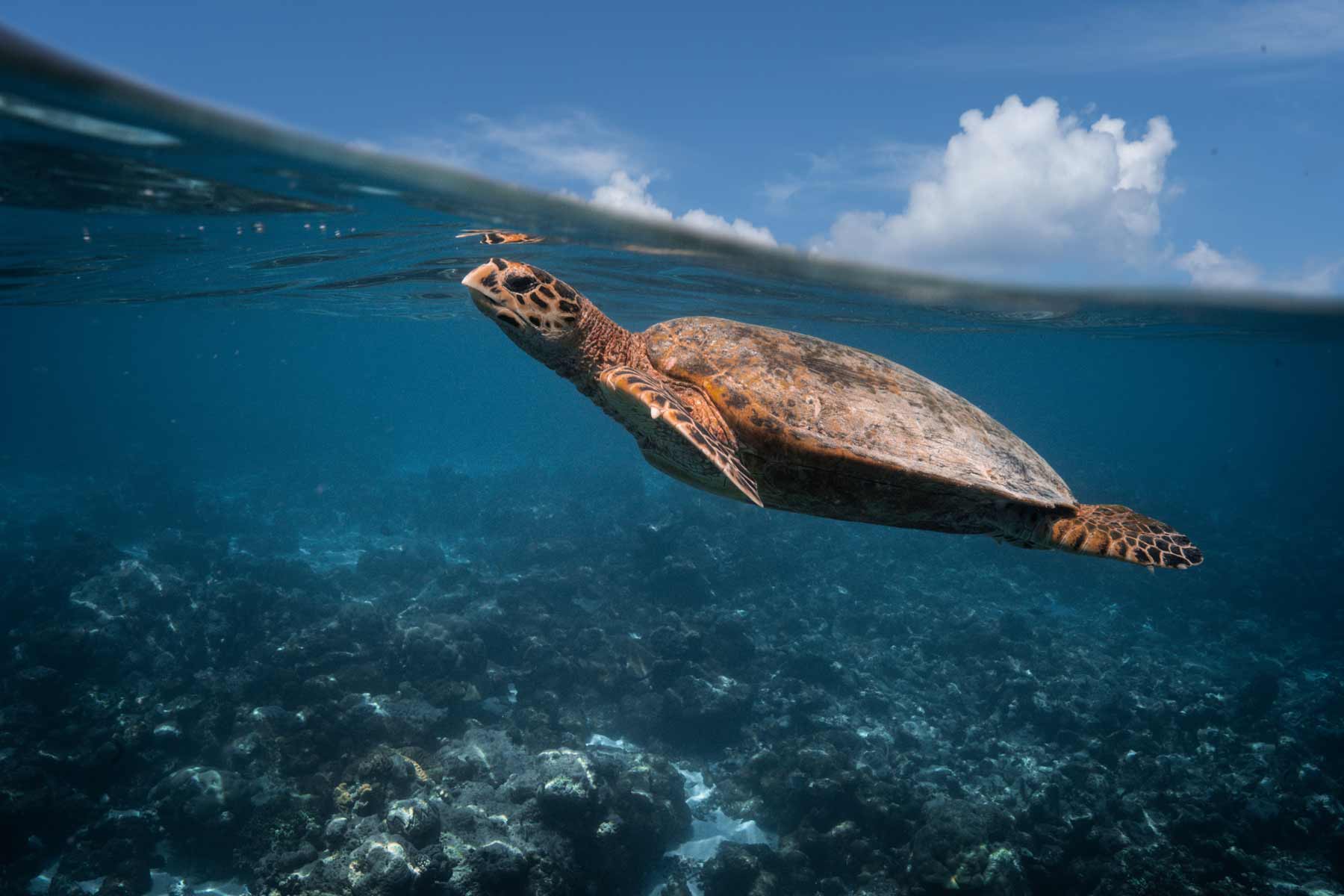
The Leatherback Sea Turtle is the largest extant turtle and the fourth-heaviest reptile. It is over 2000 pounds and seven feet tall. Only five birds nest in Kosgoda Beach annually. Its leathery carapace is a thin, strong, rubbery skin with thousands of bone plates. Human activity and habitat loss threaten the distinctive leatherback sea turtle. Its distinctive carapace and seven ridges let it dive to 1500m to find jellyfish, its favorite food. Turtle conservation includes protected areas and turtle-friendly fishing.
Find this turtle on Google Maps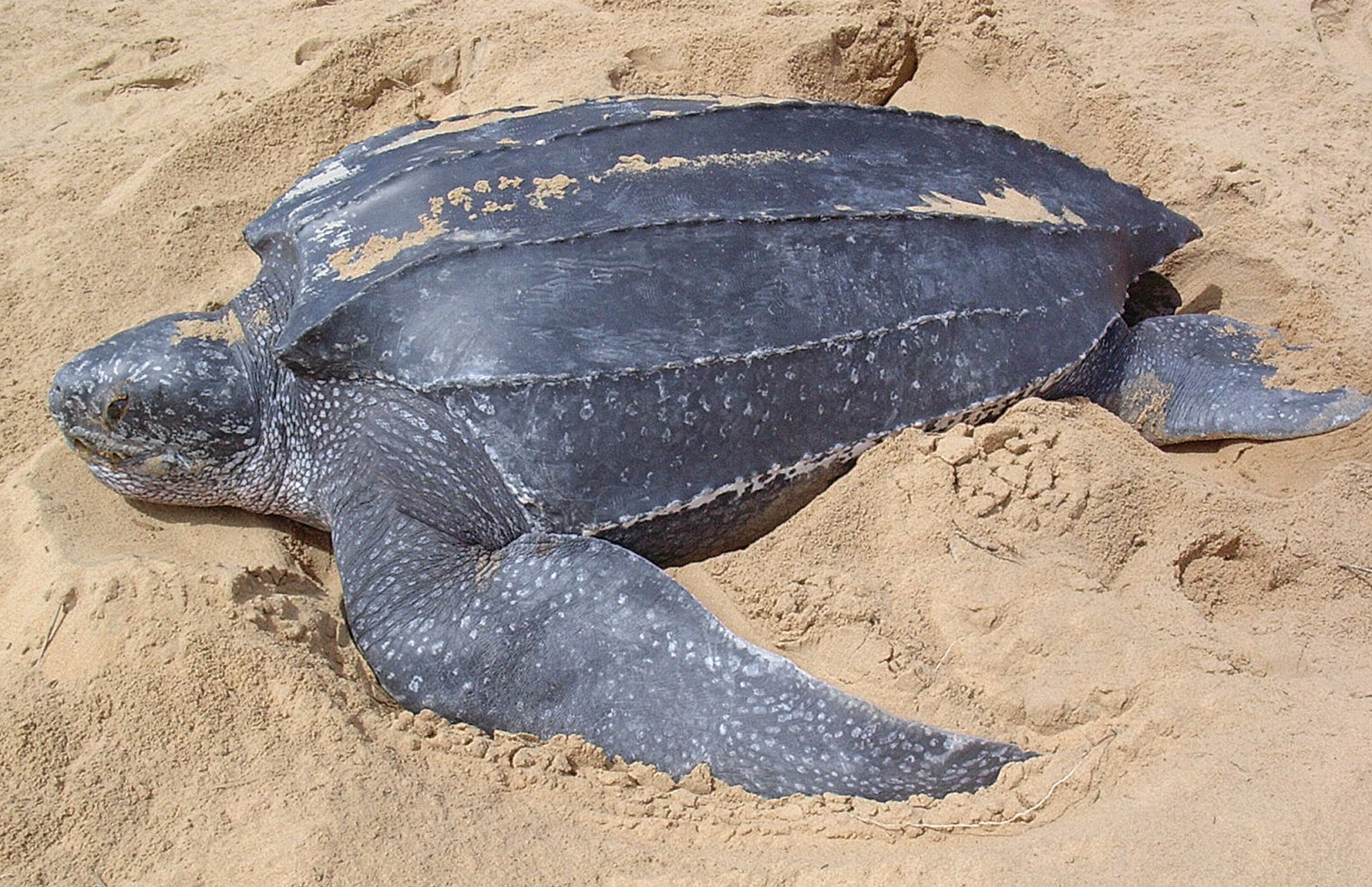
| Turtle | Places they are abundant | Rarity/conservation status | Description |
|---|---|---|---|
|
Green Turtle
|
Kosgoda, Rekawa | Most common | The Green turtle (Chelonia mydas) is the most commonly found turtle in Sri Lanka and one of the largest species of sea turtles. They are identified by their elongated, dark grayish black shell, smaller head, and large paddles. Adult turtles can weigh up to 315 kg and can live up to 80 years in the wild. They feed on marine vegetation and only come ashore to lay their eggs. The Green turtle faces many threats, including habitat destruction, pollution, and poaching for their meat, eggs, and shells. Conservation efforts have been implemented, but more work needs to be done to ensure their survival. |
|
Hawksbill Turtle
|
Kataduwa, Bentota, Udappuwa, Kosgoda, Karaduwa, Talaimannar, Jaffna, Galkissa, Talawila, Palatupana, Amadhauwa | critically endangered | The critically endangered Hawksbill Turtle is known for its unique appearance and distinctive hawk-like beak, inhabiting mainly coral reefs and shallow lagoons of Sri Lanka. Despite its beauty, the turtle's hard upper shell, known as 'tortoise shell', has led to its commercial exploitation, significantly contributing to its decline. Conservation efforts, such as the establishment of protected areas and educational campaigns, are being implemented to protect the turtle's survival and raise awareness about the importance of preserving its habitat, in hopes of a thriving Hawksbill turtle population in Sri Lanka and other tropical and subtropical waters. |
|
Loggerhead Sea turtle
|
Kosgoda, Rekawa, and Bundala | critically endangered | The Loggerhead Sea turtle is a large marine reptile that can be found in Sri Lankan saltwater and estuarine habitats. It has a slightly heart-shaped top shell and a large head. Loggerhead Sea turtles feed mainly on marine invertebrates and are under threat from human activities such as pollution and habitat destruction. Conservation efforts, such as the establishment of protected areas and the implementation of turtle-friendly fishing practices, are being made to protect their population. As responsible members of society, we can take steps to protect these creatures and preserve their habitats for future generations to enjoy. |
|
Olive Ridley turtle 
|
Trincomalee Beach | Most common | The Olive Ridley turtle is the smallest of the sea turtles and can be found in the warm waters of the Indian Ocean, including the beaches of Sri Lanka. It is endangered due to the dependence of its population on a small number of beaches for nesting. The turtle's diet includes crustaceans, fish, and marine vegetation. Its unique nesting behavior in large groups, known as "arribada," makes it important to protect for the balance of marine ecosystems. Conservation efforts are being implemented to protect the Olive Ridley turtle population, including the establishment of protected areas and turtle-friendly fishing practices. |
|
Leatherback Sea turtle
|
Kosgoda, Mawolla, or Rekawa beach | critically endangered | The Leatherback Sea turtle is the largest of all living turtles, with a hydrodynamic body shape and large flippers that help it move strongly through the water. Despite its impressive size, the species is critically endangered and remains on the brink of extinction due to human activities and habitat loss. The turtle's carapace is not a hard shell but a layer of thin, tough, rubbery skin, and its blood circulatory system allows it to keep its blood warm even in cold waters. Conservation efforts are being made to protect the Leatherback Sea turtle population, including the establishment of protected areas and turtle-friendly fishing practices. |
| Summary of Sea turtles in Sri Lanka. | |||